Great Wildebeest Migration arrives early in the Maasai Mara this season
Wildlife
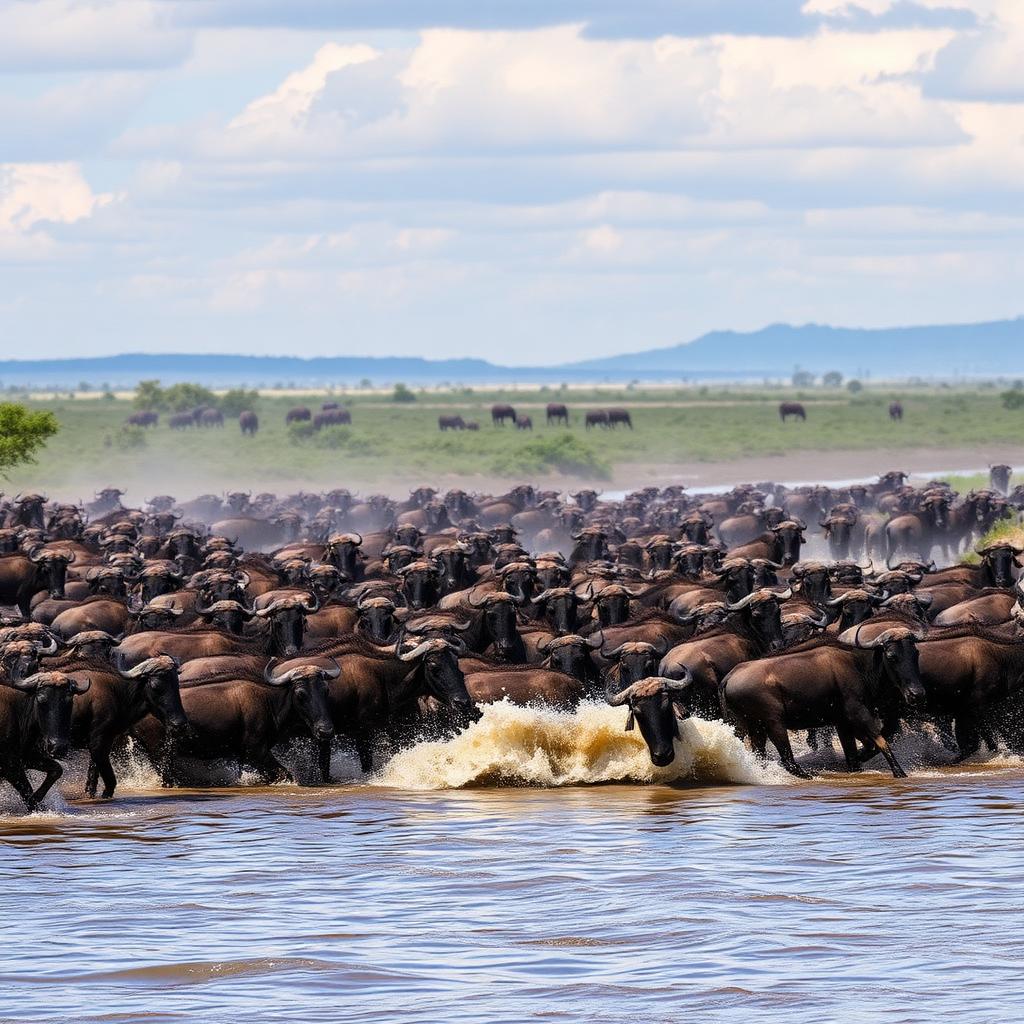
Kenya Wildlife Service reports the first herds crossing the Mara River weeks ahead of schedule, drawing record numbers of safari visitors to the reserve.
The annual Great Wildebeest Migration — widely regarded as one of the most spectacular wildlife events on Earth — has arrived in the Maasai Mara nearly three weeks ahead of its typical schedule, Kenya Wildlife Service (KWS) confirmed this week.
Rangers stationed at the Mara River's northernmost crossing points reported the first major herds of wildebeest and zebra making the dramatic plunge into crocodile-infested waters during the second week of June. In a typical year, these crossings begin in early July.
Tour operators across Narok County have scrambled to reschedule departures, and lodges report near-full occupancy through August. "This is the kind of season we dream of," said one safari guide based at Sekenani Gate. "The grass is still green, the predators are active, and the river is high enough for spectacular crossings."
Wildlife biologists attribute the early movement to a stronger-than-average wet season in the Serengeti, which pushed grazing herds northward faster than usual. The herd, estimated at 1.5 million animals, is expected to remain in the Mara ecosystem until late October.
Visitors planning to witness the migration are advised to book early, with most premier camps now reporting limited availability. Vinem Tours offers small-group Maasai Mara safaris year-round, with peak season departures during the migration window.